website teachers notes

DOWNLOADABLE TEACHERS NOTES


Every episode will have an educational component and worksheets,

Teachers notes section with ideas and learning outcomes.


Lesson guides

Discussion Questions

Answer Notes

Curriculum Links

episode 1 banner

Teachers Notes for
Episode One

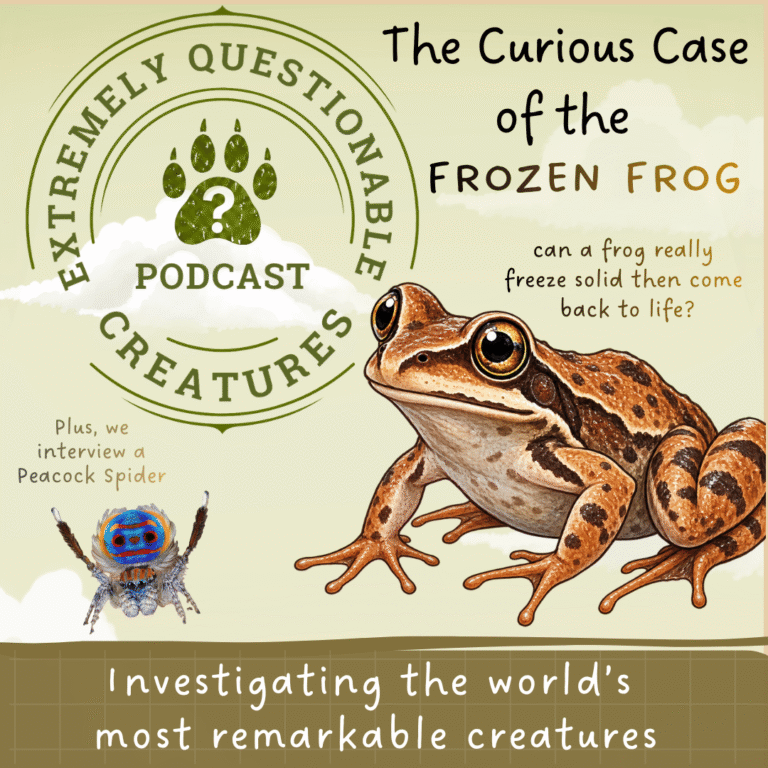
 Reports have reached the Institute about a frog that can apparently freeze during winter.


Its heart stops beating.

It stops breathing.

Ice forms inside its body.

Then, when the weather warms, the frog thaws and hops away.


Access notes here:

Teacher Notes for ep 1


episode 2 banner

Teachers Notes for
Episode Two

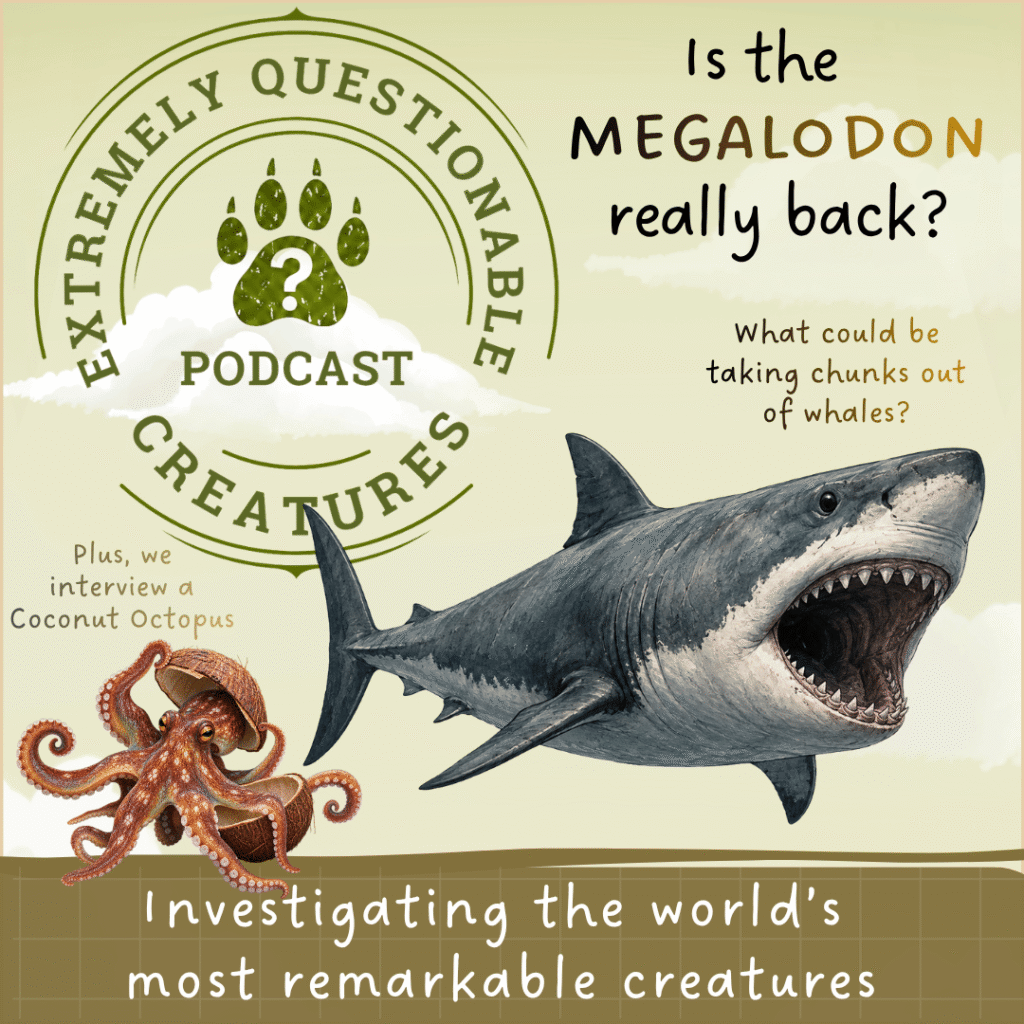
There is no question that Megalodon once existed.

This enormous prehistoric shark really did swim through Earth’s oceans millions of years ago.

But reports continue to arrive claiming something much more extraordinary:

Megalodon might still be out there.

Episode Two explores fossils, extinction, evidence, animal adaptations and the importance of considering alternative explanations before reaching a conclusion. 


Access notes here:

Teacher Notes for ep 2

episode 3

Teacher's Notes for
Episode Three

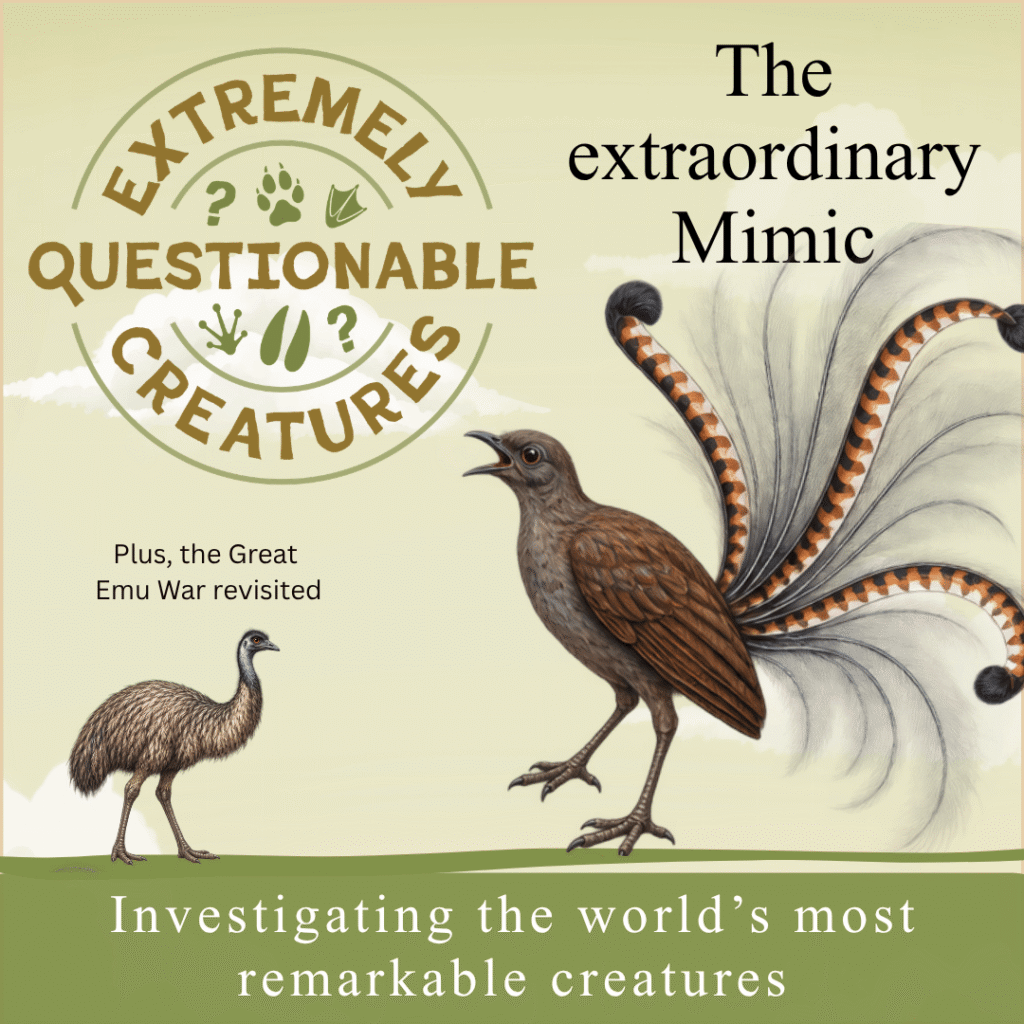
Reports claim there’s a bird living in Australian forests that can imitate the sounds of other birds.

But that’s not all.

It’s been reported mimicking cameras.

Alarms.

Machinery.

And sounds that don’t seem like they should be coming from a bird at all.

The male also carries an extraordinary set of tail feathers.

When it’s time to impress, he throws them over his head and performs.

Junior Researchers, what exactly is making all that noise in the forest?


Access notes here:

Teacher Notes for ep 3
offence v defence

Teachers Notes for
Episode Four

Episode 4 introduces students to the extraordinary strategies animals use to survive.

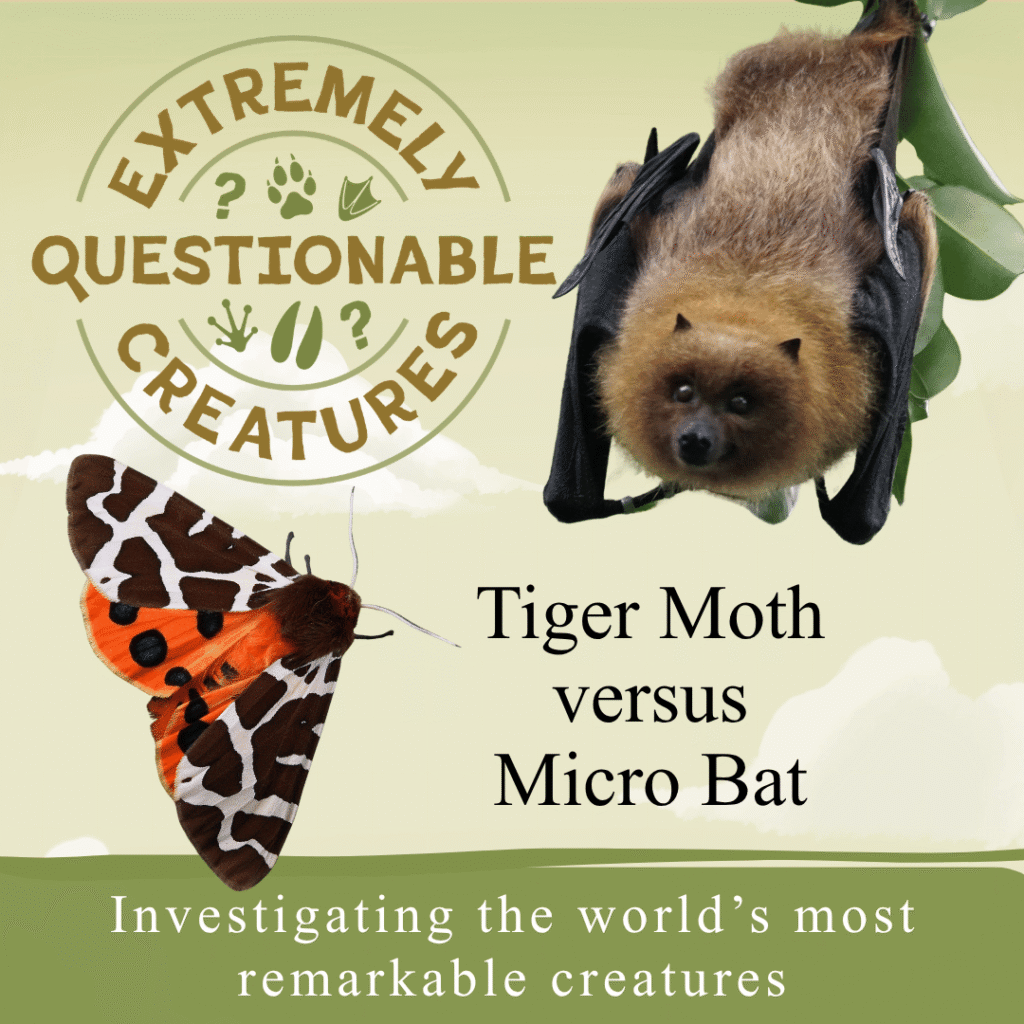
The Microbat and Tiger Moth investigation demonstrates how predators and prey can possess interacting adaptations shaped by natural selection over many generations.


The Zorse investigation explores inherited characteristics and hybrid animals, while the Dung Beetle and Southern Hairy-nosed Wombat provide further examples of animal diversity and specialised behaviour.


Students are encouraged to question unusual claims, distinguish fact from fiction and develop evidence-based explanations.
Access Notes Here: 

Teachers Notes for Ep 4