copy of untitled brand template 3

Turn Your Classroom into an Institute Field Station

website learning 6

WELCOME EDUCATORS

The International Institute for the Study of Extremely Questionable Creatures uses remarkable animals, curious claims, humour and storytelling to encourage children to observe, question, investigate and imagine.

Our educational resources are designed for use alongside the Extremely Questionable Creatures podcast, Creature Case Files and classroom investigations — or simply as a starting point for exploring the extraordinary natural world.

Students become Junior Researchers, gathering evidence, questioning claims, recording observations and deciding what the evidence suggests.

Observe. Question. Imagine. Investigate.

deb hudson illustrator 11

THE INSTITUTE APPROACH

Before children can become scientists, artists, writers, inventors or environmentalists, they must first learn to notice the world around them.

The Institute encourages students to slow down, observe carefully, ask questions and discover the extraordinary in the ordinary.

Every investigation begins with observation.

Every discovery begins with curiosity.

And sometimes the best investigation ends with another question.

website worksheets

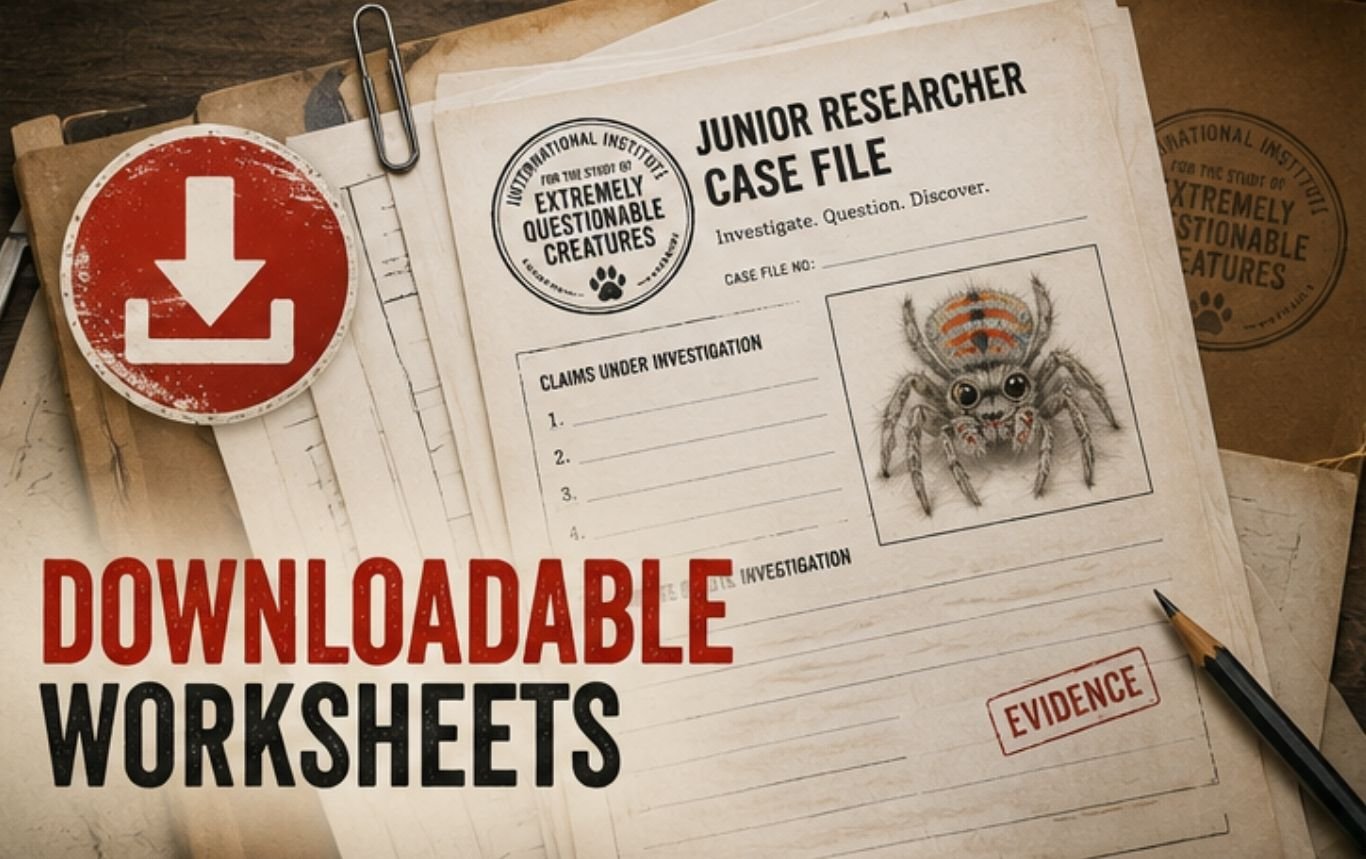
DOWNLOADABLE WORKSHEETS

Ready to open a Case File?

Our free printable resources allow students to investigate creatures, examine evidence, record observations, question experts and conduct investigations of their own.

Creature Investigation Worksheet

Follow an official Institute investigation. Record claims, gather evidence, question the information and reach a final classification.
DOWNLOAD WORKSHEET

Educator and Library Info Pack

Use investigations for listening groups, displays, school-holiday activities, reading programs and curiosity-led events.

[DOWNLOAD WORKSHEET]

Open Your Own Investigation

 Students choose something that makes them curious, develop a question, gather evidence and report their findings.

[DOWNLOAD WORKSHEET]

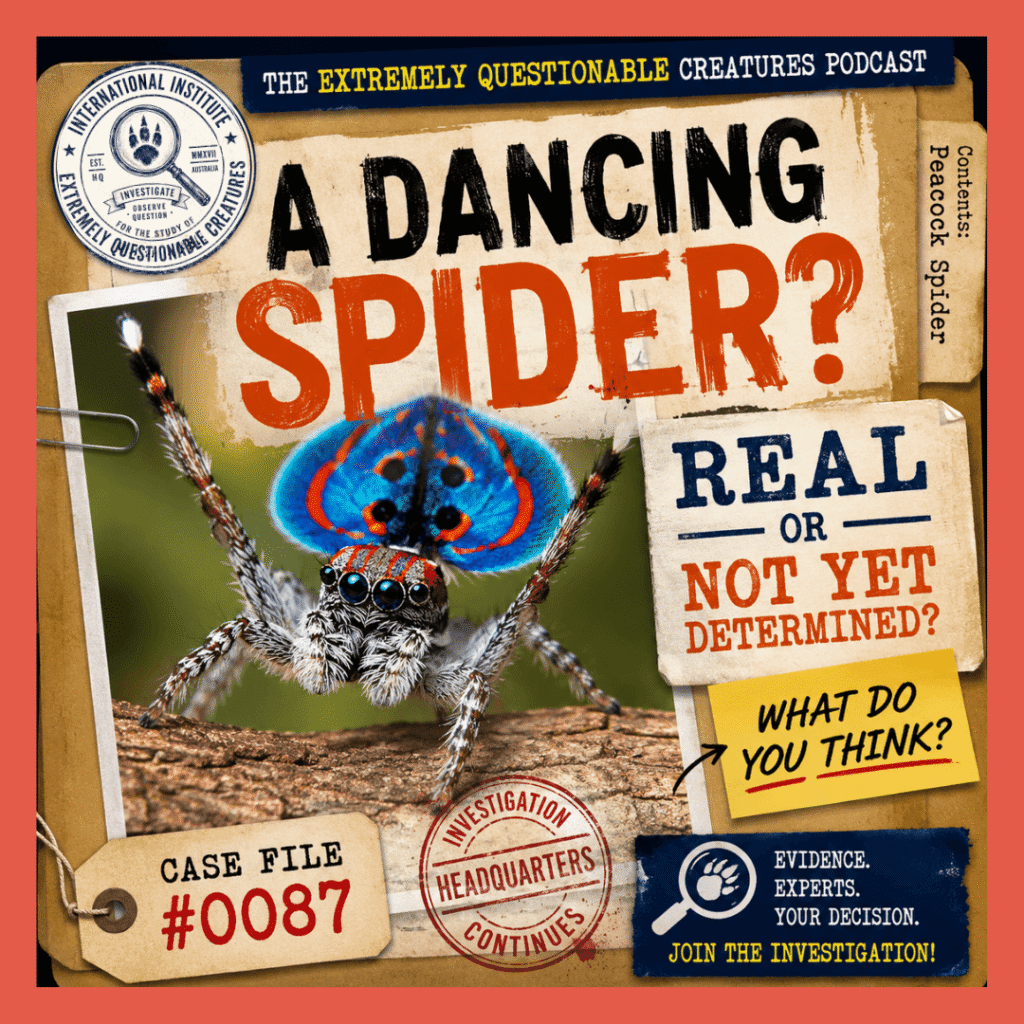
a dancing spider

REAL OR NOT? WORKSHEETS

Our Real or Not? segment is one of our favourite

 investigations from the podcast!

Before listening, teachers can download and print the worksheet for their Junior Researchers. 

As they listen to the creature interview, students can record clues, question the claims and gather evidence to decide for themselves

 is this creature REAL… or NOT?


It’s a fun way to turn listening into an investigation while encouraging critical thinking, comprehension and curiosity.

Listen carefully. Gather the evidence. Make your decision.


website teacher notes

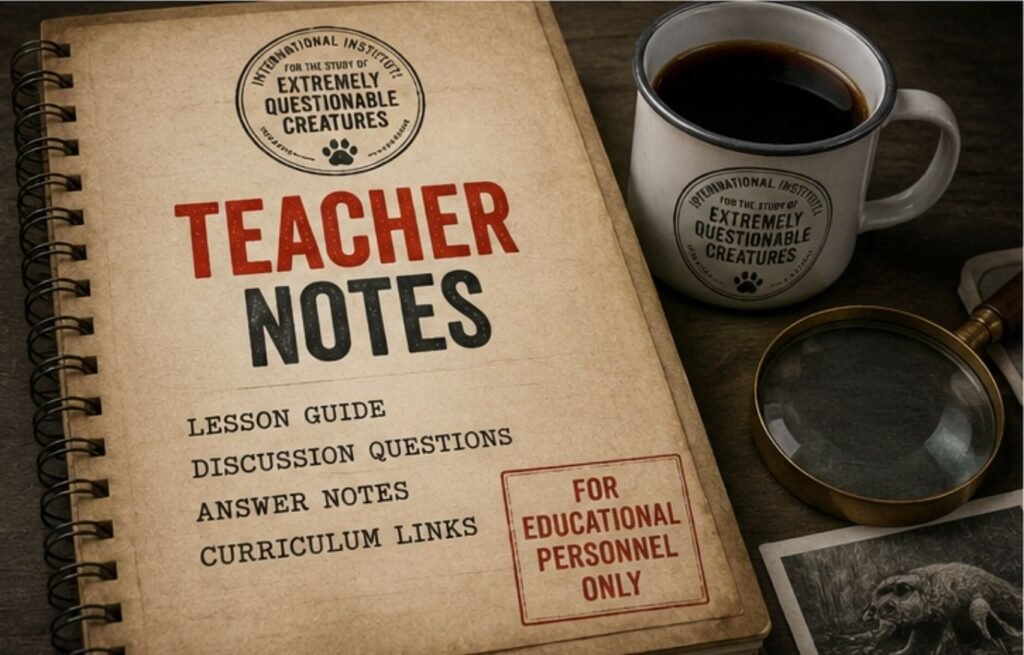
DOWNLOADABLE TEACHERS NOTES

Every episode will have an educational component and worksheets,

Teachers notes section with ideas and learning outcomes.

Lesson guides

Discussion Questions

Answer Notes

Curriculum Links

LEARNING THROUGH CURIOSITY

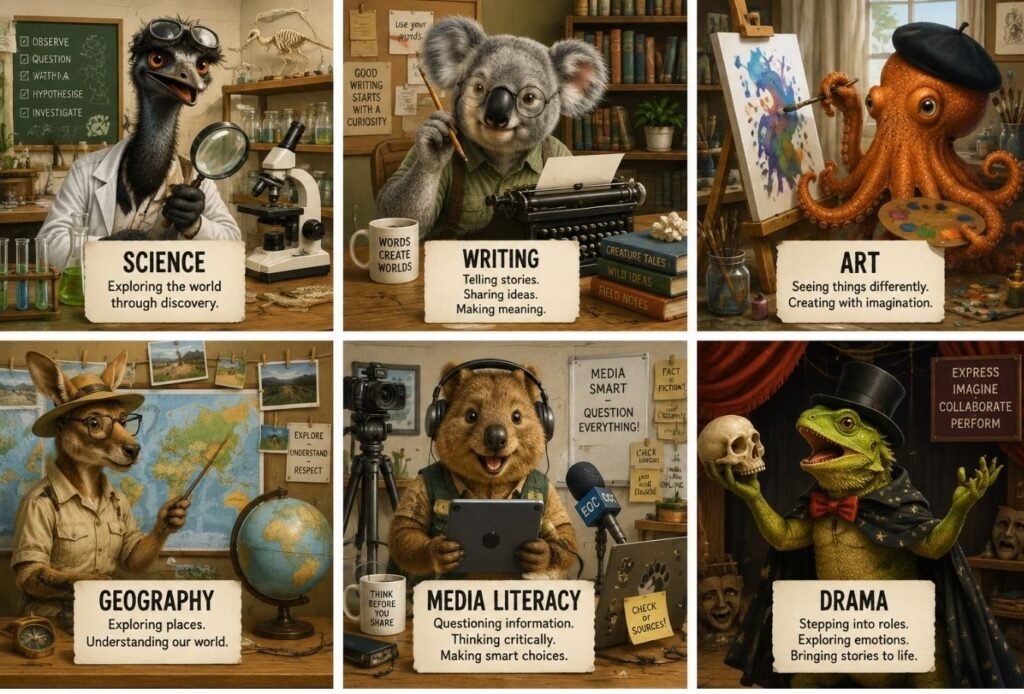
Institute investigations can support learning across a wide range of curriculum areas.

website learning 6

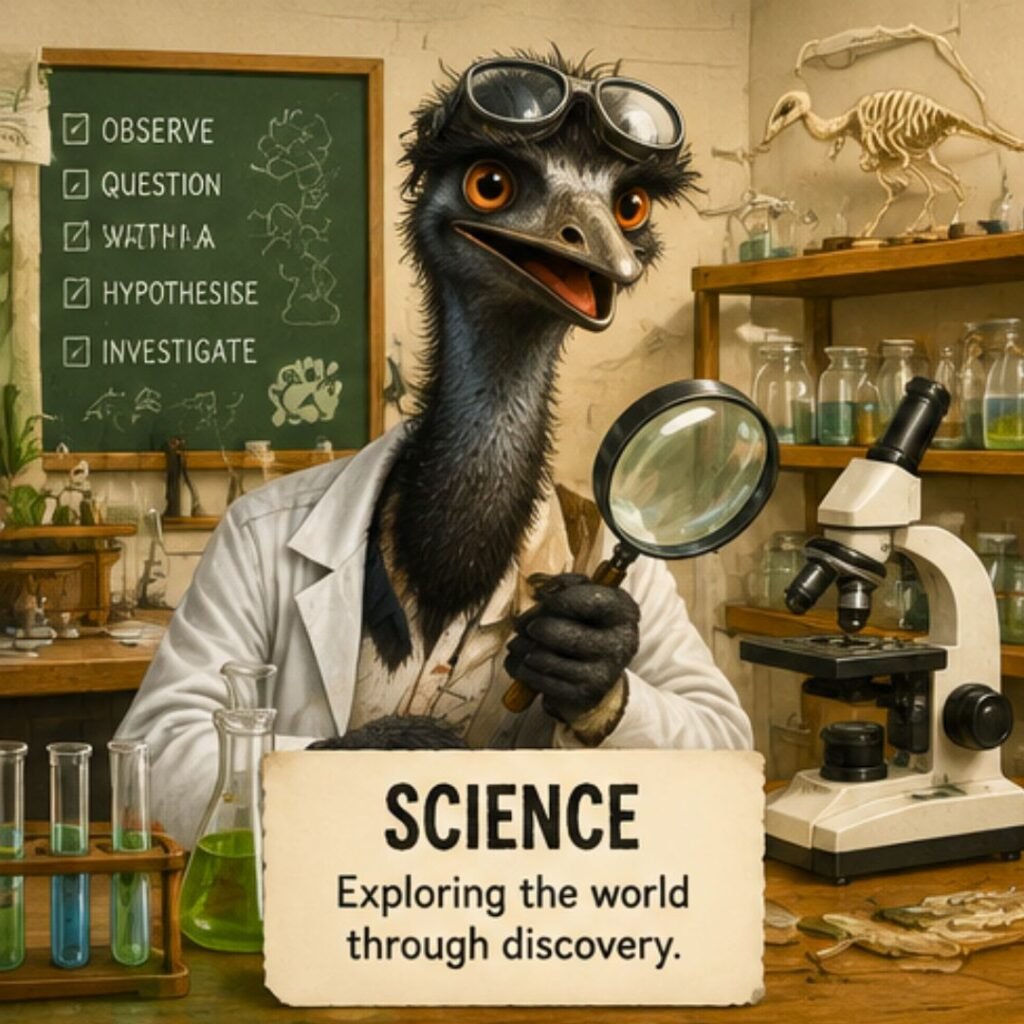
Science & Scientific Enquiry

Students can explore:

  • animal adaptations and behaviour
  • habitats and ecosystems
  • biodiversity and conservation
  • classification and life cycles
  • endangered and threatened species
  • careful observation
  • questioning and hypothesis formation
  • evidence gathering
  • recording findings
  • drawing conclusions
  • distinguishing evidence, opinion and speculation
website learning 4

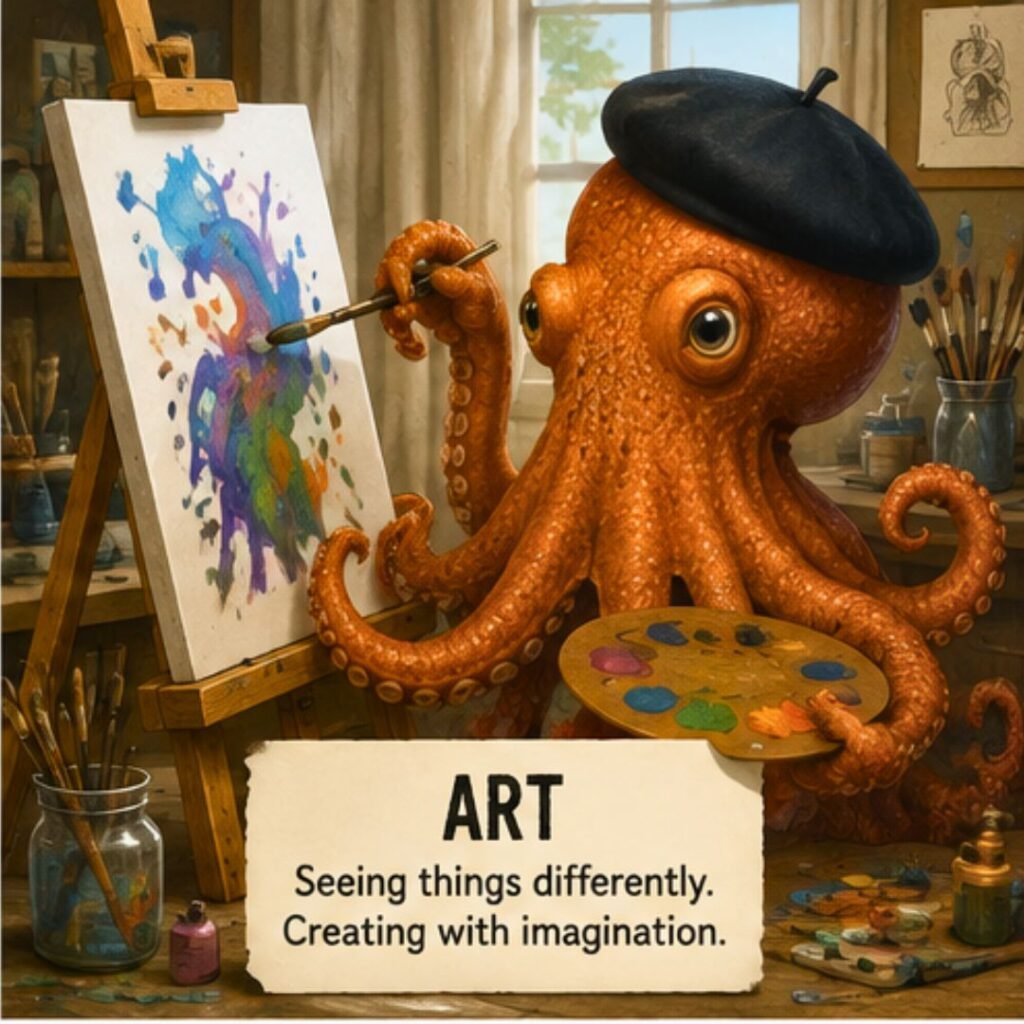
Art & Creativity

Junior Researchers can:

  • create scientific illustrations
  • draw creatures and habitats
  • design maps and posters
  • invent creatures
  • develop scientific names
  • create behaviours and adaptations
  • design ecosystems
  • build fictional worlds
  • combine scientific knowledge with imagination
website learning 5

Literacy

Investigations provide opportunities for:

  • non-fiction comprehension
  • creative and descriptive writing
  • report writing
  • persuasive and procedural writing
  • interviews and dialogue
  • inference
  • comparing information and sources
  • fact versus opinion
  • storytelling and world-building
website learning 3

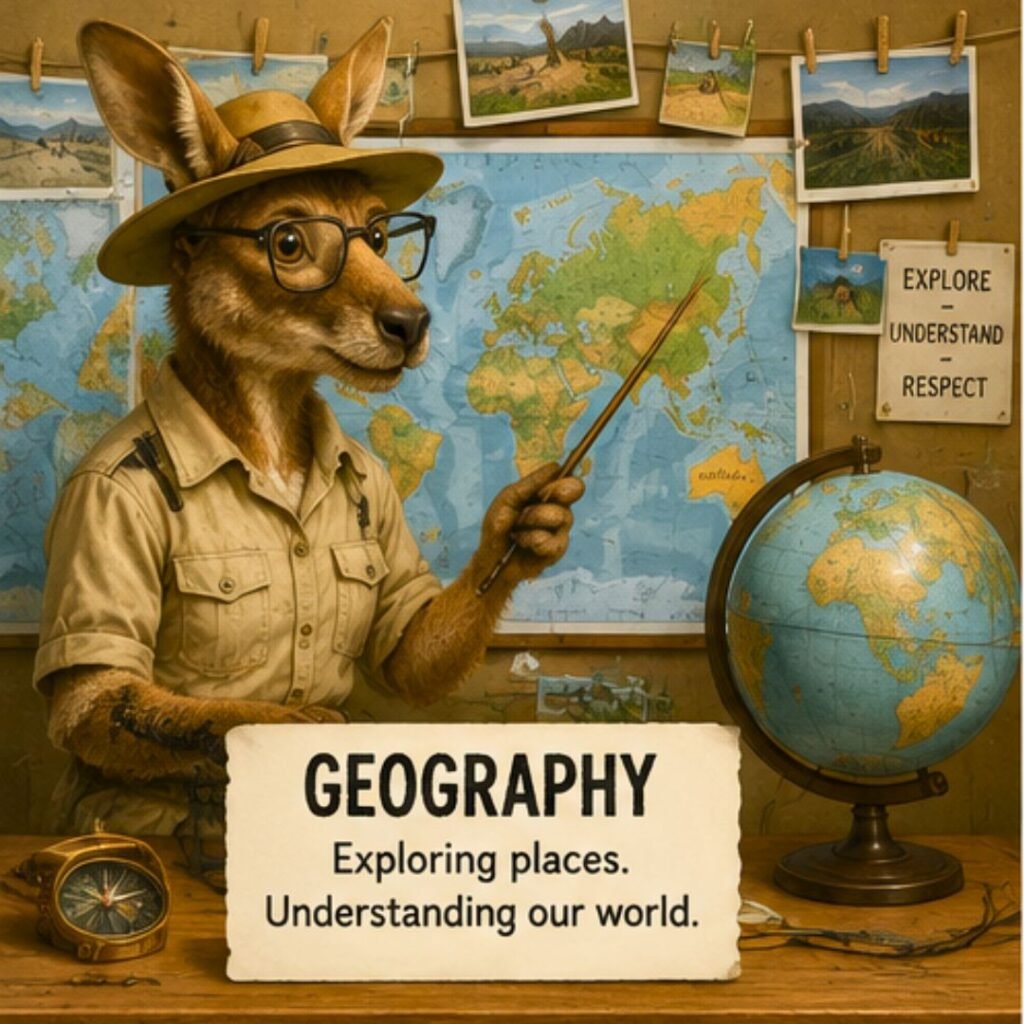
Geography & Environmental Learning

Investigations can explore:

  • Australian environments
  • continents and world ecosystems
  • animal distribution
  • habitat mapping
  • human impacts on wildlife
  • threatened species
  • sustainability
  • caring for local environments
website learning 1

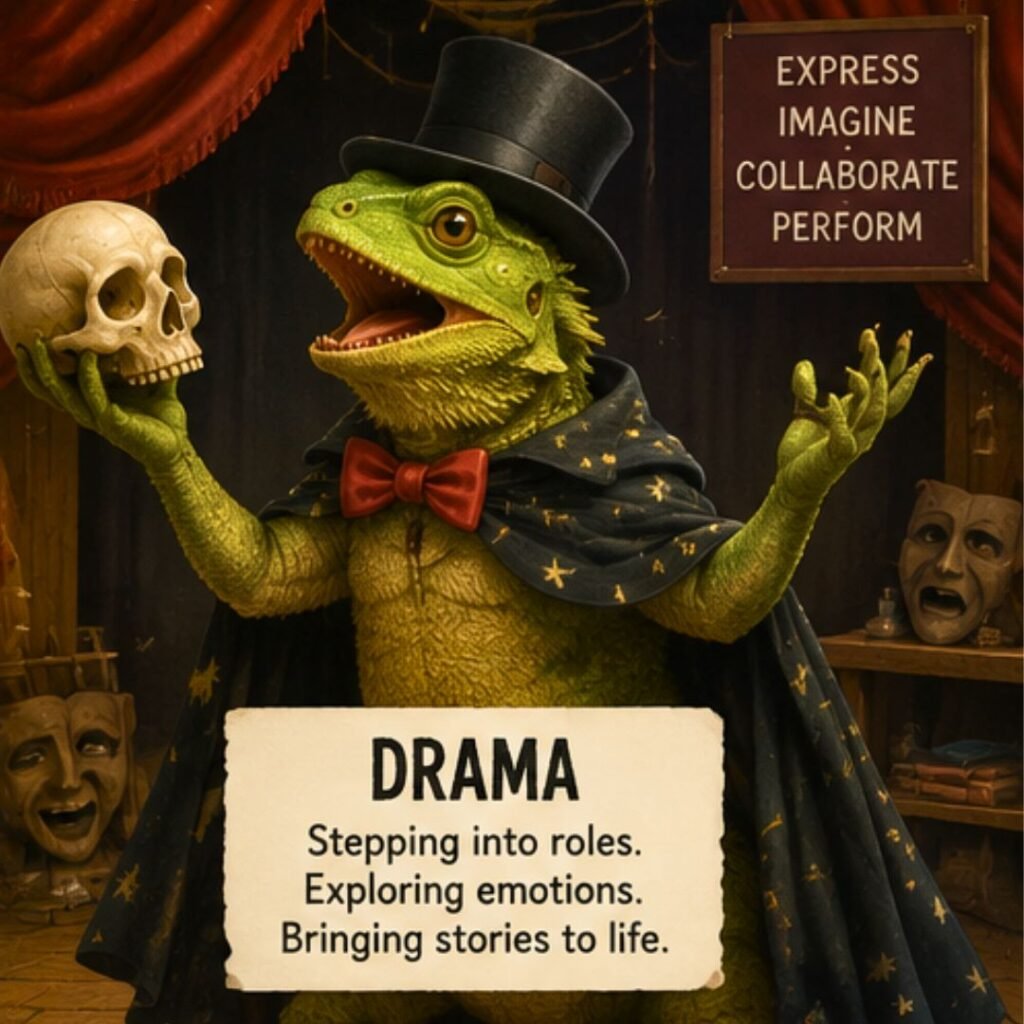
Drama & Communication

Bring an investigation to life through:

  • role play
  • creature interviews
  • field researcher reports
  • press conferences
  • investigation briefings
  • re-enactments
  • presenting evidence to the class